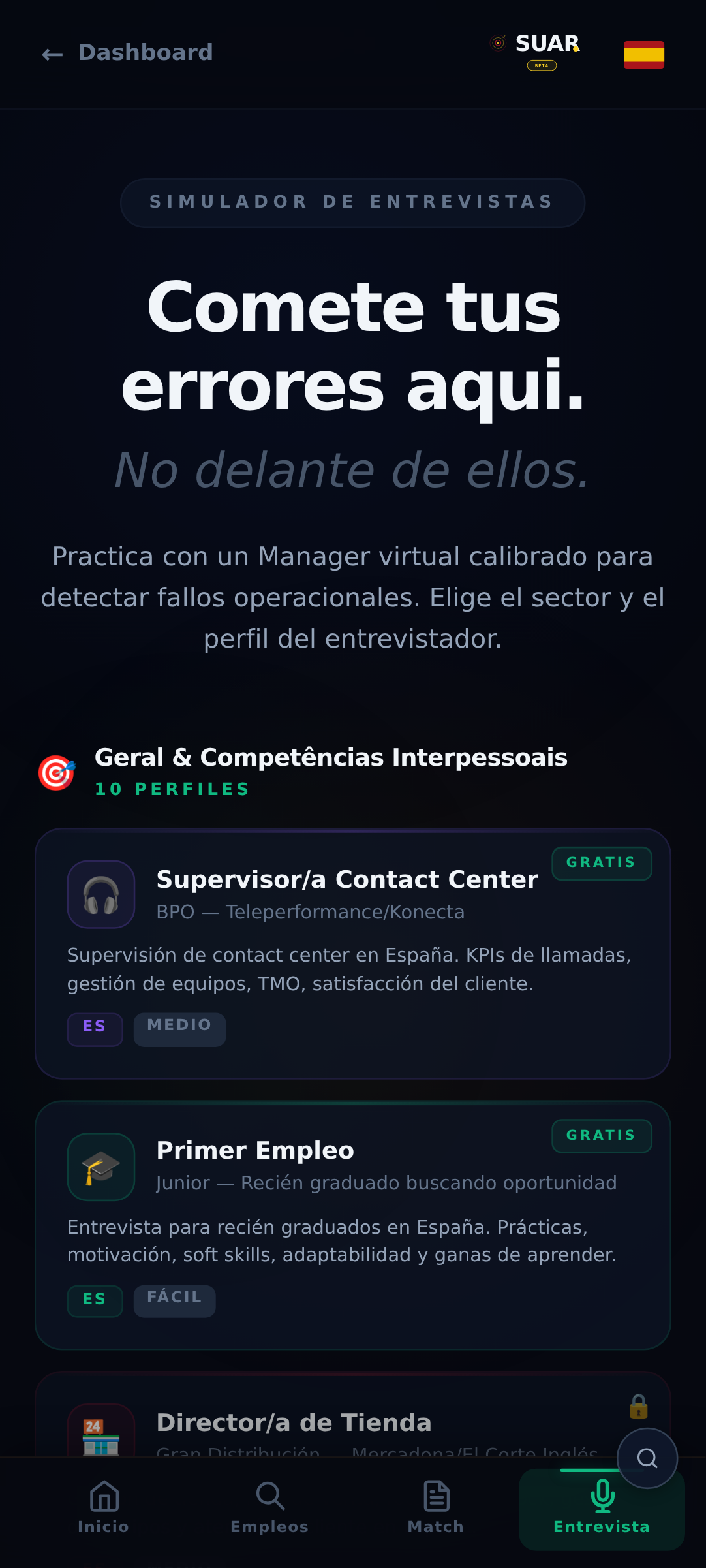
Simulador de entrevistas que te treina antes da entrevista real. CV Matcher, treino mental, intel de empresa e simulação com voz — adaptado ao mercado Canada.
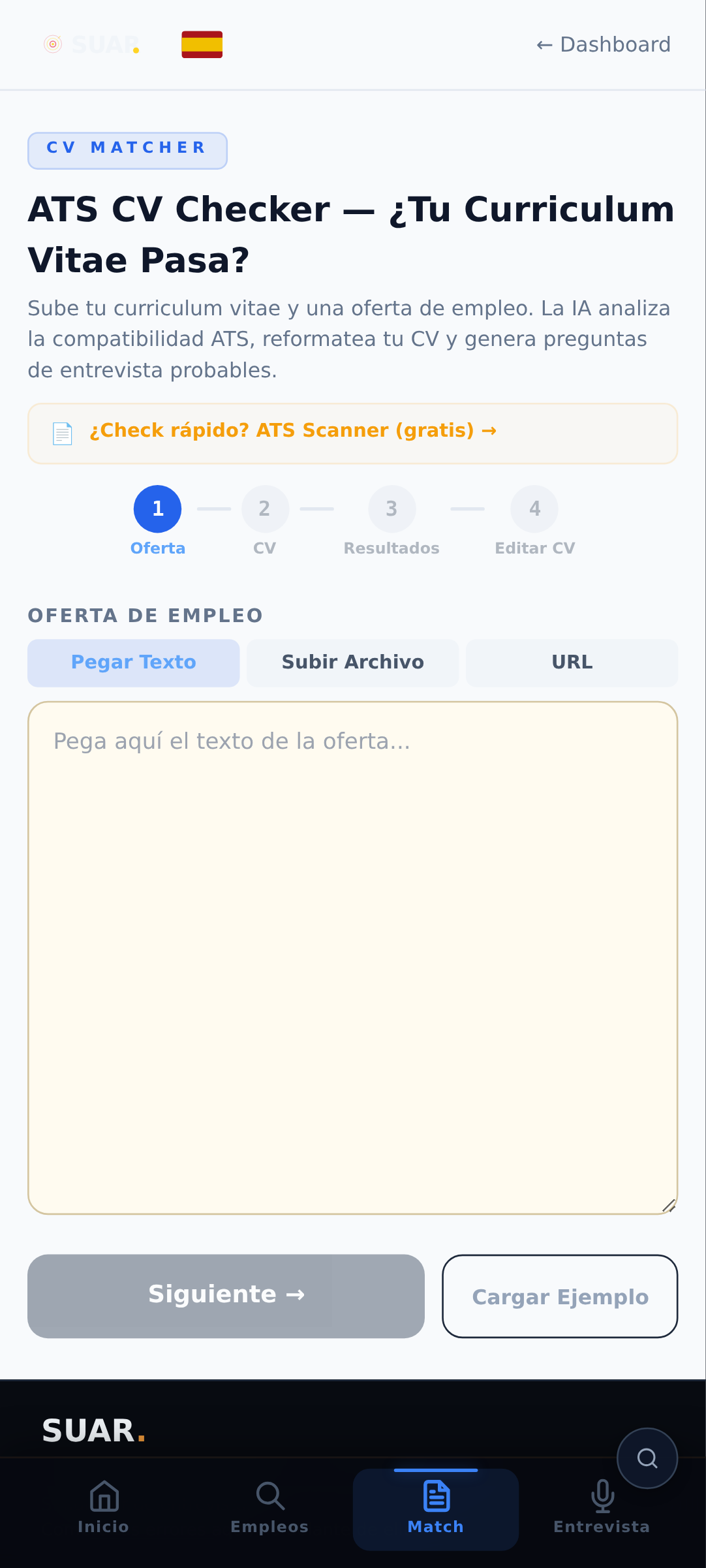
Desenha um currículo que impressione os recrutadores e consiga entrevistas. A IA ajuda-te passo a passo: escolhe um modelo, preenche os dados e exporta em PDF pronto a enviar.
Descobre se o teu perfil encaixa antes de te candidatares. A IA analisa competências, experiência e palavras-chave — e diz-te exatamente o que falta.
Simulações realistas com IA que replicam entrevistadores reais. Modo texto e voz, feedback em tempo real, e o que nenhum outro simulador tem: os pensamentos do recrutador.
COMO FUNCIONA
A diferença entre conselhos genéricos e treino real
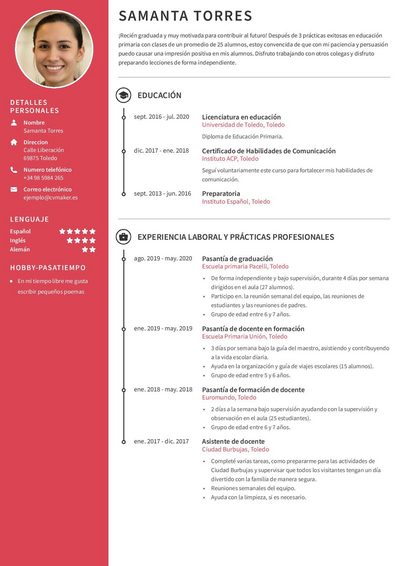
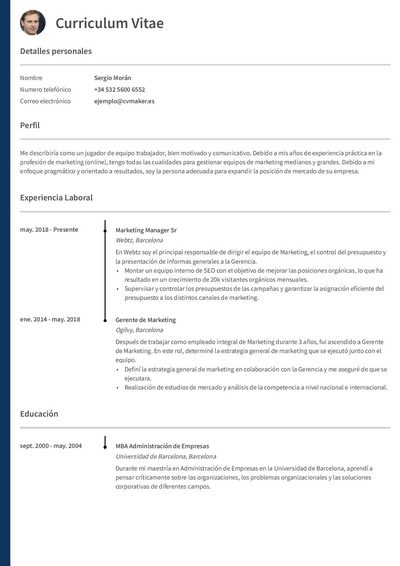
O mesmo candidato. O mesmo emprego. Dois CVs diferentes. Qual é que passa?
40-60% das vagas publicadas são postos fantasma — nunca destinados a serem preenchidos
Não percas mais tempo a candidatar-te a vagas fantasma.
Tudo o que precisas para conquistar o emprego, numa so ferramenta.
Cole o seu CV e a descrição da vaga. O SUAR analisa a compatibilidade em segundos.
Veja os pensamentos internos do entrevistador em tempo real.
Pesquisa automática sobre a empresa: cultura, liderança, processo de entrevista, salários e red flags.
Entrevista completa. Realista. Timer. Pressão. Modo voz com microfone.
4 passos para chegar preparado à entrevista
Consegues convencer um desconhecido a contratar-te em 30 minutos? É isso que é uma entrevista.
O SUAR existe porque esta competência pode ser treinada.
“Polite, inclusive, multicultural workplace. Behavioural interviews standard (STAR method). Immigration pathways (Express Entry, LMIA) central to workforce. Bilingualism valued federally.”
Real candidates. Real results. No filters.
"Rejected 14 times. SUAR showed my CV scored 47/100. After fixing it, I hit 91 and got hired by Monzo."
"11 months unemployed. I practised 3 interviews on SUAR and had an offer within a week. The problem was never the market — it was me."
"Voice mode changed everything. I practised answers out loud and felt prepared for the real interview for the first time."
No signup needed — try now
Sem compromisso · Cancele quando quiser
Canada's labour market is shaped by record immigration targets — over 500,000 new permanent residents annually — creating both opportunity and competition. AI adoption in recruitment is accelerating, with 65% of large Canadian employers using ATS systems. Remote work remains strong, particularly in tech hubs like Toronto, Vancouver, and Ottawa, though some employers are mandating return-to-office.
Minimum wage varies by province (Ontario $17.20/hr, BC $17.40/hr, Alberta $15/hr in 2025). Probation periods are typically 3 months, with some provinces allowing up to 6. Notice periods range from 1 week (under 1 year) to 8 weeks (8+ years) under federal law. The standard work week is 40 hours. Employment Standards vary significantly between provinces and federal jurisdiction.
The median annual salary in Canada is approximately C$60,000 (C$5,000/month). The highest-paying sectors are Technology (median C$95,000), Mining & Energy (C$90,000), and Finance (C$80,000). Toronto and Vancouver offer the highest salaries but also the highest cost of living. Calgary and Ottawa provide strong salary-to-cost ratios.
Federal income tax ranges from 15% to 33% across five brackets. Provincial taxes add 4-25% depending on the province. CPP contributions are 5.95% (matched by employer) and EI premiums are 1.58%. Quebec has its own QPP (6.4%) and QPIP. On average, Canadian workers take home 65-75% of their gross salary, varying significantly by province — Alberta and Ontario being more favourable.
Sem spam. Dados protegidos.